
The Cultural Significance of the Uruguayan Carnival: 40 Days of Magic
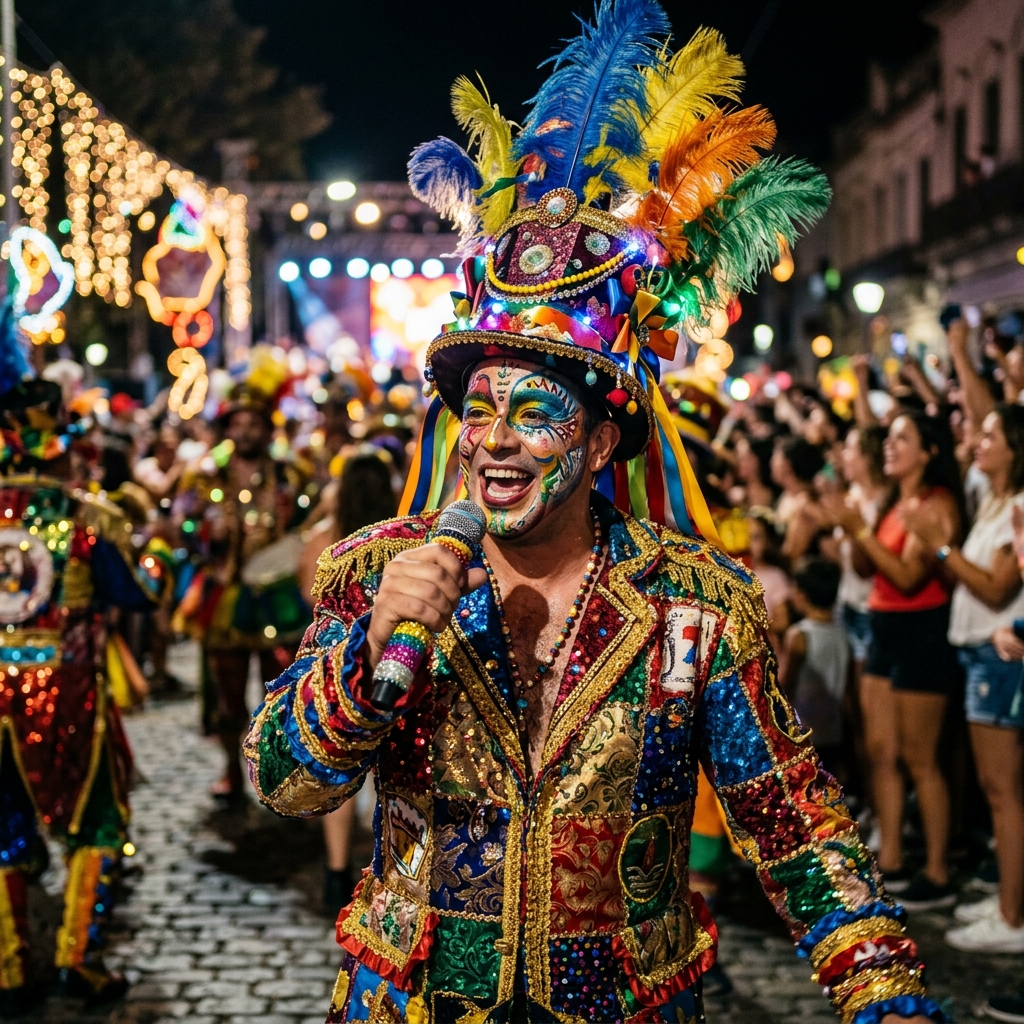
The Cultural Significance of the Uruguayan Carnival: 40 Days of Magic
While the global spotlight often shines on Rio de Janeiro during the month of February, Uruguayans are celebrating a different, more enduring kind of magic. Lasting over 40 days—from late January through early March—the Uruguayan Carnival is officially the longest in the world. It is not just a party; it is a vibrant, chaotic, and deeply emotional tapestry of music, theater, and social satire that consumes the entire nation.
The Ancestral Heartbeat: Candombe
The soul of the Uruguayan Carnival is Candombe. Originally brought to the shores of the Rio de la Plata by enslaved Africans in the 18th century, Candombe was once a forbidden ritual of resistance and cultural preservation. Today, it is a UNESCO-recognized Intangible Cultural Heritage of Humanity and the pride of Montevideo.
Centered in the historic neighborhoods of Barrio Sur and Palermo, the rhythm is created by the Tres Tambores (three drums):
- El Chico: The smallest, providing the high-pitched, steady pulse.
- El Repique: The improviser, adding complex syncopations and accents.
- El Piano: The largest, providing the deep, melodic bass line.
The climax of Candombe is the Desfile de Llamadas (The Parade of Calls). For two nights, dozens of comparsas (drum groups) march through the narrow streets of the city, accompanied by traditional characters like the Mama Vieja, the Gramillero (the medicine man), and the Escobero. The ground literally vibrates under the feet of the spectators, a physical manifestation of a history that refused to be erased.
The Voice of the People: Murga
If Candombe is the rhythm of the heart, Murga is the voice of the mind. Rising from Spanish origins but evolving into something uniquely Uruguayan, Murga is a form of musical theater performed by groups of about 17 singers, accompanied by a bass drum, snare drum, and cymbals.
Murga is characterized by:
- The Coro (The Chorus): Singers performing high-pitched, polyphonic harmonies that can be heard for blocks.
- The Makeup: Elaborate, clay-based masks that turn the performers into living caricatures.
- The Satire: This is the core of the Murga. Through song and dry, often biting wit, the groups review the political and social events of the past year. No politician, athlete, or celebrity is safe from their critique. It is a moment of shared national catharsis—a way for the common citizen to laugh at the powerful and find common ground in the absurdities of life.
The Tablados: Neighborhood Stages
Unlike the centralized parades of many other countries, the Uruguayan Carnival is decentralized. Every neighborhood sets up a Tablado—a temporary stage in a park, club, or street corner. Families gather with their folding chairs and coolers to watch the Murgas and Comparsas perform until the early hours of the morning.
For many Uruguayans, the tablado is where community is built. It is a space where the neighbor you see every day at the bakery is suddenly transformed into a glittering performer on stage. The barrier between "artist" and "audience" is thin, reflecting the egalitarian nature of Uruguayan society.
A Legacy of Resilience and Joy
What makes the Uruguayan Carnival so special is its persistence. Through economic crises and political upheavals, the drums have never stopped beating, and the murgas have never stopped singing. It is an annual reminder that collective joy is a form of resilience.
At La Gran Uruguaya, we carry this spirit in our DNA. While we are miles away from the streets of Montevideo, the atmosphere in our restaurant—the warmth, the occasional burst of song, and the deep sense of community—is our way of keeping the carnival alive all year round. We invite you to sit with us, enjoy a meal, and listen closely. You might just hear the distant echo of a drumbeat from the Barrio Sur.