
A Deep Dive into Tannat: The Soul of Uruguayan Viticulture
A Deep Dive into Tannat: The Soul of Uruguayan Viticulture
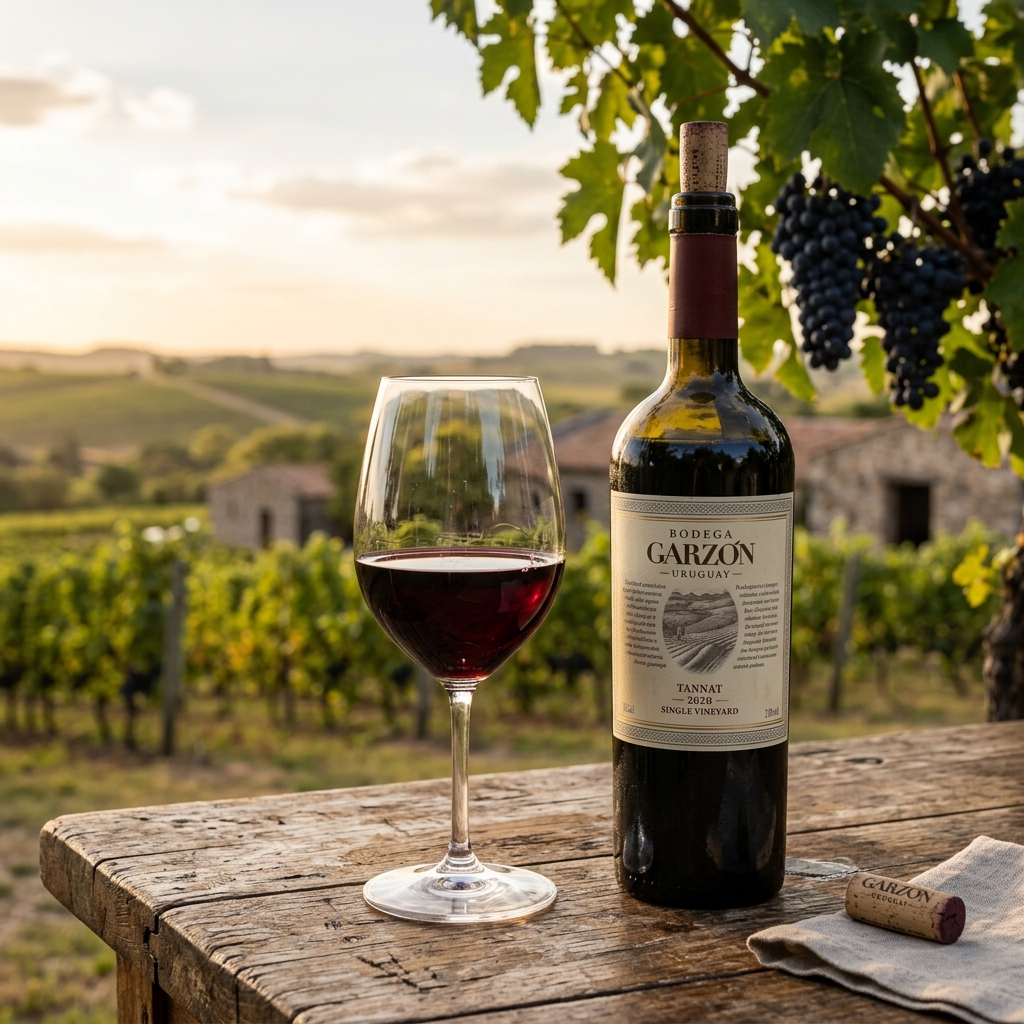
While neighboring Argentina has its Malbec and Chile has its Carménère, Uruguay has carved out its own unique niche in the global wine map with a bold, robust, and deeply pigmented red known as Tannat. Originally hailing from the Madiran region in Southwest France, this grape didn't just find a home in Uruguay; it found its spiritual peak. Today, Uruguay is the world's leading producer of Tannat, and the grape has become an inseparable part of the national identity, reflecting the country's rugged landscape and its people's resilient spirit.
The Arrival of the Pioneer: Pascual Harriague
The story of Tannat in Uruguay begins in the late 19th century with a Basque immigrant named Pascual Harriague. In 1870, Harriague brought Tannat vines from France and planted them in the northern city of Salto. His goal was to create a wine that could withstand the humid, Atlantic-influenced climate of the region.
The results were spectacular. The Tannat grape, known for its high tannin content and naturally thick skins, thrived in the clay soils and maritime breezes of the Rio de la Plata. For decades, the wine was actually known locally as "Harriague" in honor of the man who started it all. It wasn't until modern enology took hold in the late 20th century that the grape's true name—Tannat—reclaimed the spotlight.
The King of Antioxidants: Science in the Glass
One of the most remarkable aspects of Tannat is its health profile. For years, scientists have been fascinated by the "French Paradox"—the observation that certain populations have low rates of heart disease despite a diet high in saturated fats. A key factor was found in the consumption of red wine, specifically those high in procyanidins (a type of antioxidant).
Tannat is widely considered the healthiest red wine in the world. Because of its thick skins and high seed count, it contains significantly more procyanidins than Malbec, Cabernet Sauvignon, or Pinot Noir. When you drink a glass of Tannat, you aren't just enjoying a beverage; you are consuming a powerful cardiovascular tonic that has defined the longevity of the Uruguayan countryside for generations.
Terroir: Where the Ocean Meets the Vine
Uruguay’s geography is a winemaker’s dream, though it comes with challenges. Unlike the dry, high-altitude vineyards of the Andes, Uruguayan vineyards are mostly located near the coast, particularly in the regions of Canelones, Montevideo, and Maldonado.
The proximity to the Atlantic Ocean provides a consistent cooling breeze that prevents the grapes from over-ripening in the summer heat. This "maritime" influence is what gives Uruguayan Tannat its characteristic balance: high acidity, deep color, and a structural elegance that is often missing from warmer-climate wines. The terroir imparts notes of dark plum, blackberry, and a subtle earthiness that reminds one of the rich, damp soil of the pampas.
The Perfect Marriage: Tannat and the Parrilla
In Uruguay, wine is not an accessory to a meal; it is a fundamental ingredient. And there is no greater culinary marriage than Tannat and the Uruguayan Asado.
The logic is scientific: the high tannin content of the wine acts as a "palate cleanser." When you eat a rich, fatty cut of grass-fed beef like vacío or tira de asado, the tannins bond with the proteins and fats, breaking them down and refreshing your mouth for the next bite. A young, oak-aged Tannat—with its notes of chocolate, tobacco, and black pepper—cuts through the smokiness of the wood fire like nothing else on earth.
The Modern Renaissance: From Rustic to Refined
Historically, Tannat had a reputation for being "rough" or overly aggressive—a wine for gauchos that required years of aging to become drinkable. however, in the last 30 years, a new generation of Uruguayan winemakers has revolutionized the process.
By using gentler pressing techniques, careful oak management, and blending Tannat with softer grapes like Merlot or Marselan, they have created wines that are approachable in their youth but still possess the legendary aging potential of the grape. From the world-class estates in Punta del Este to the family-run "bodegas" in Canelones, Uruguayan wine is finally receiving the international acclaim it deserves.
At La Gran Uruguaya, we curate our wine list to reflect this diversity. We source from the finest producers in Uruguay to ensure that every bottle we serve tells the story of our land, our history, and our unwavering commitment to quality. So, the next time you sit down for a meal, ask for a glass of Tannat. It’s the closest you can get to drinking the heart and soul of Uruguay.