
Garra Charrúa: Decoding the Spirit of Uruguayan Resilience
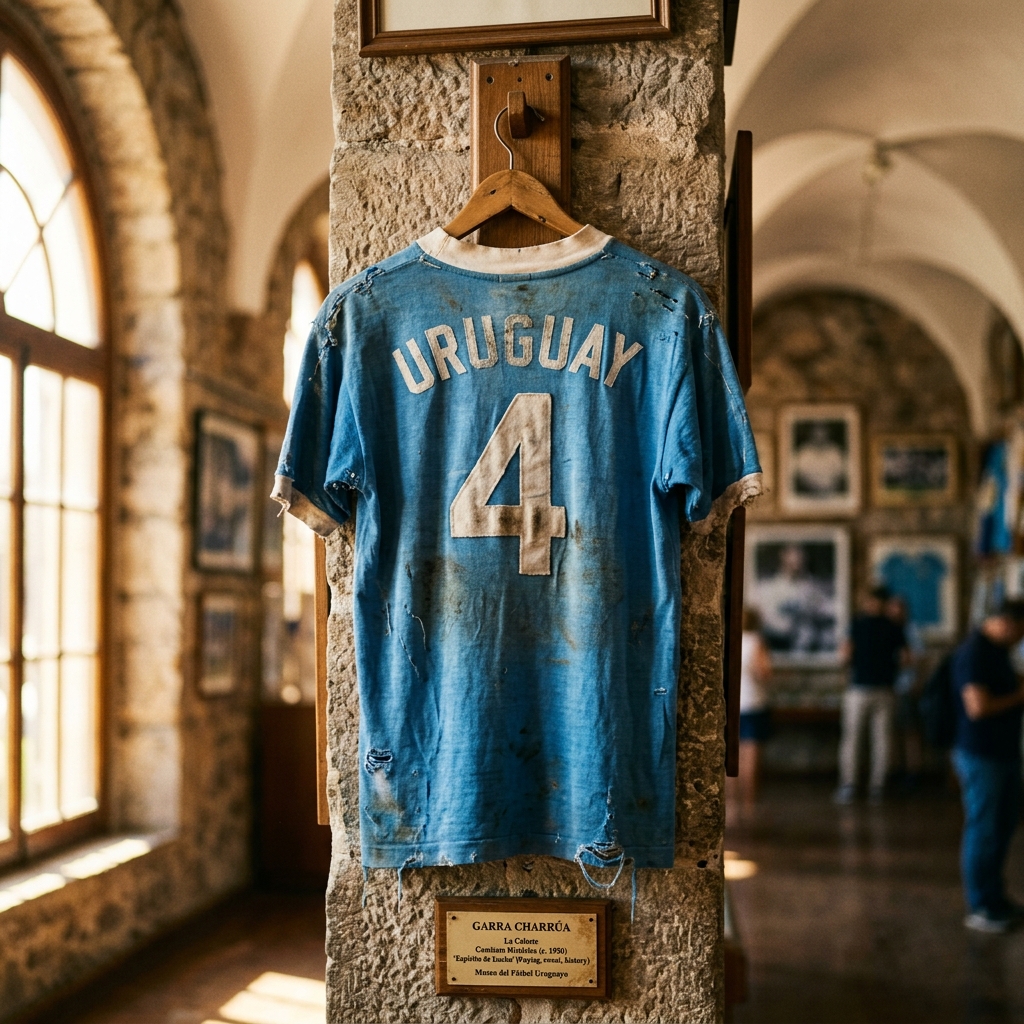
Garra Charrúa: Decoding the Spirit of Uruguayan Resilience
Uruguay is a nation of extremes. With a population of just 3.4 million people—roughly the size of a single Brooklyn neighborhood—it sits wedged between two continental giants, Brazil and Argentina. Yet, on the global stage, particularly in sports and diplomacy, Uruguay consistently punches far above its weight. How does such a small country produce two FIFA World Cups, 15 Copa América titles, and a society known for its stability and progressive values?
The answer is found in a two-word phrase that is whispered in locker rooms and etched into the national psyche: Garra Charrúa.
The Indigenous Roots: A Legacy of Bravery
The term takes its name from the Charrúa, the indigenous inhabitants of the land that is now Uruguay. Unlike the sedentary civilizations of the Andes, the Charrúa were nomadic warriors known for their fierce independence and refusal to be conquered. They resisted Spanish colonization for centuries with a tenacity that was both feared and respected.
While the Charrúa people were tragically decimated in the early 19th century, their spirit did not vanish. Instead, it was transfigured into a psychological concept. "Garra" translates literally to "claw," but in this context, it signifies a specific type of grit—the ability to hold on when everyone else has let go.
1950: The Birth of the Legend
While the spirit was always there, it was defined for the modern world on July 16, 1950. In what remains the most shocking upset in sports history, Uruguay faced the host nation, Brazil, in the final match of the World Cup at the Maracanã Stadium.
Brazil only needed a draw to win. They had scored 13 goals in their previous two matches. The stadium held 200,000 expectant fans. Before the match, the captain of the Uruguayan team, Obdulio Varela, was told by his own officials: "Just try to lose by as few goals as possible."
Varela’s response was the essence of Garra Charrúa. He gathered his teammates in the tunnel and told them: "Los de afuera son de palo"—those on the outside are made of wood. Do not look at the crowd. Play your game.
Uruguay went on to win 2-1, silencing 200,000 people. This "Maracanazo" became proof that with heart, determination, and a refusal to be intimidated by size, the impossible is achievable.
Garra in the 21st Century
To the modern world, players like Luis Suárez, Edinson Cavani, and Diego Godín are the faces of Garra Charrúa. It is seen in Godín’s bloodied face as he defends a corner, in Suárez’s relentless pressure despite injury, and in the team's collective refusal to accept defeat.
But Garra is not just about soccer. It is a philosophy of life for a small nation.
- Resilience: The ability to bounce back from economic or social hardship.
- Humility: Acknowledging your smallness as a source of strength rather than a weakness.
- Solidarity: The understanding that in a small country, we must all support each other to survive.
The Spirit at La Gran Uruguaya
In Jackson Heights, we see Garra Charrúa every day. We see it in the immigrant families who arrived with nothing and built lives through sheer determination. We see it in our staff who take pride in representing our culture thousands of miles from home.
Garra Charrúa is the reason we don’t settle for "good enough." It’s why we source the best beef, bake the freshest bread, and treat every guest with the warmth of a neighbor. It’s a reminder that no matter how small you are, you have a voice, a heart, and the "claw" to succeed.
When you dine with us, you aren't just eating a meal. You are tasting a legacy of resilience. You are feeling the spirit of a nation that refused to be small.